What is the Difference Between Power Washing, Pressure Washing, and Soft Washing? We’ve Got The Answers!
Gary Hall • June 24, 2025
Understanding the right cleaning method can protect your property and save you money.
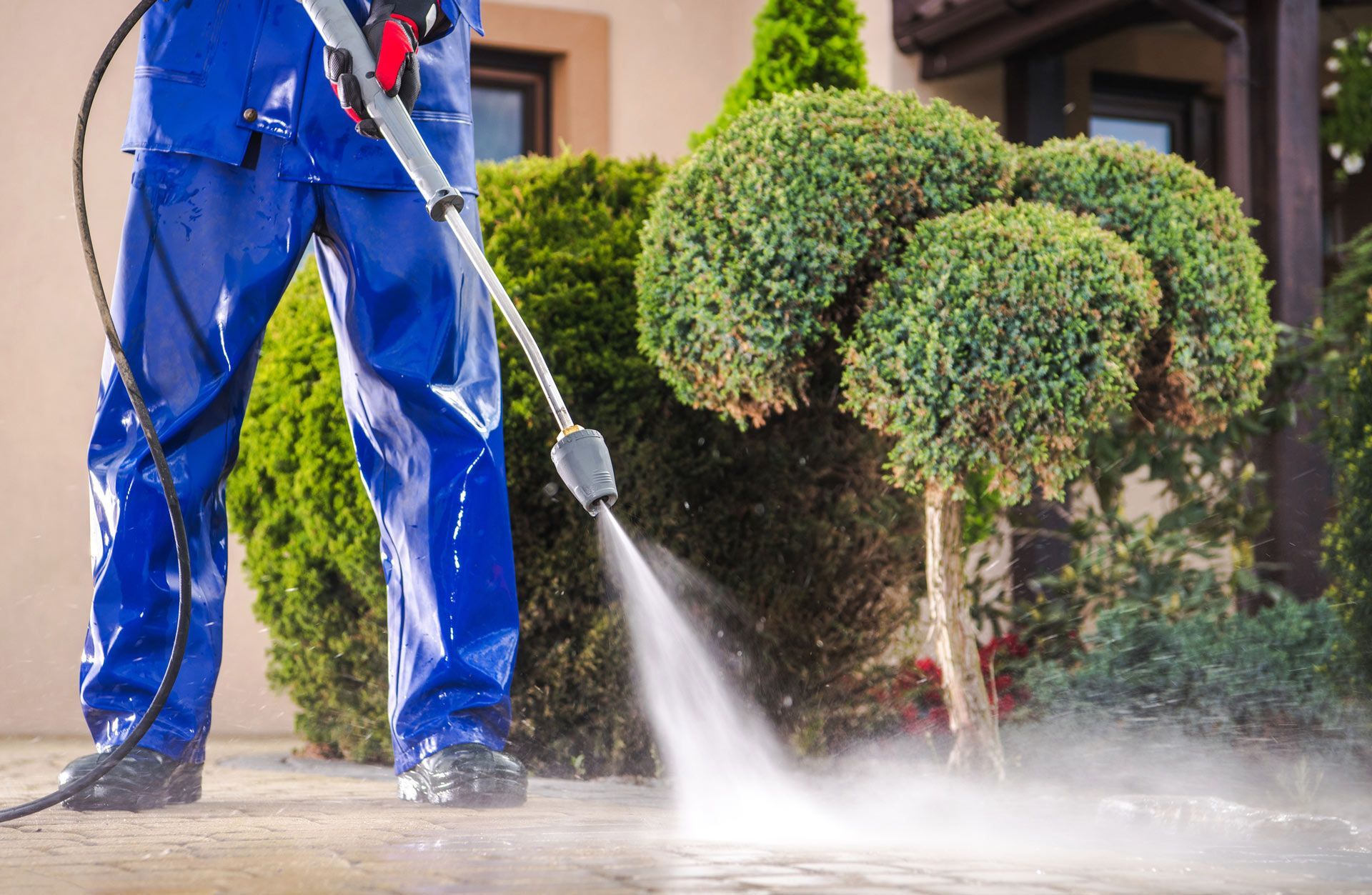
The body content of your post goes here. To edit this text, click on it and delete this default text and start typing your own or paste your own from a different source.
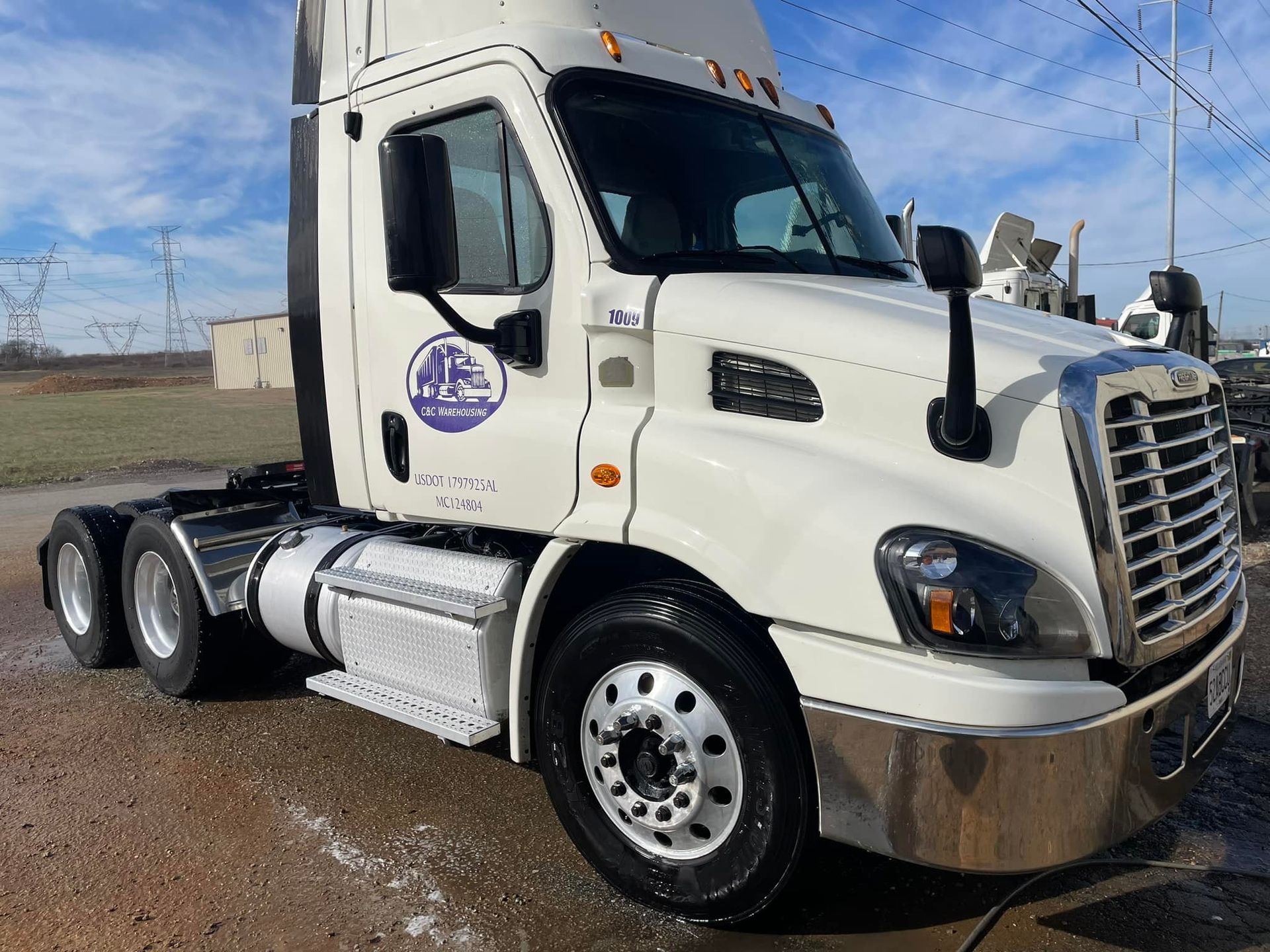
Yes, fleet washing services use specialized, professional-grade detergents, soaps, and chemicals that are engineered to handle the unique types of buildup found on commercial vehicles. Unlike consumer-grade car wash soap, these products are formulated to cut through heavy road film, diesel soot, oil, and grease efficiently while protecting painted and polished surfaces. That’s the short answer. This matters because commercial fleets accumulate highly specific types of organic and inorganic soil that require a professional-grade chemical balance to remove effectively. If you’re trying to understand the process, knowing the right chemistry is the key to maintaining vehicle appearance and longevity. These specialty products are designed for rapid, high-volume cleaning and often require high-pressure or specialized application systems to work correctly. The Chemical Differences in Fleet Cleaning Fleet washing often involves a multi-step process that utilizes different chemicals to target specific types of soil. This targeted approach is much more effective than using a single, general-purpose soap. The primary distinction among these products is their pH level. High pH (Alkaline) Solutions High pH or alkaline detergents are powerful degreasers. They are the primary tool for breaking down organic soils that are common on commercial trucks and trailers. Primary Goal: To dissolve and lift organic materials like grease, heavy diesel soot, oil, and bug residue. Common Ingredients: May include sodium metasilicate or sodium hydroxide (caustic soda), used conservatively in professional formulations. Application: Often used as the main wash or the second step in a two-step wash process to emulsify tough, greasy grime. Low pH (Acidic) Solutions Low pH or acidic solutions are often referred to as brighteners or pre-soaks. They target the inorganic materials that alkaline soaps cannot fully remove. Primary Goal: To remove mineral deposits, rust stains, road film, and oxidation that dull paint and metal surfaces. Common Ingredients: Citric acid (milder and popular for maintenance washes) or stronger acids like hydrofluoric acid (used aggressively on non-polished metals, requiring extreme care). Application: Applied as a pre-soak or the first step in a two-step wash to neutralize static charges on the vehicle surface and prepare it for the alkaline wash. Here’s What That Means in Practice The most advanced fleet cleaning utilizes a two-step cleaning process to achieve a brush-free, high-quality clean. This method leverages the chemical power of both pH extremes. Step 1: Acidic Pre-Soak: A low pH cleaner is applied to the vehicle. This step breaks down mineral buildup and road film, preparing the surface. Step 2: Alkaline Wash: A high pH detergent is applied immediately after (or simultaneously, depending on the system). The combination of the acid and alkaline solutions creates a chemical reaction that lifts and loosens virtually all types of soil from the vehicle surface, allowing it to be rinsed away cleanly without scrubbing. Specialized Cleaning Products In addition to the main wash detergents, fleet services often utilize highly specialized chemicals for specific parts of the vehicle: Aluminum Brighteners: These products are essential for restoring the shine to non-polished aluminum surfaces (like fuel tanks and trim) by removing the oxidized layer. Bug and Road Film Removers: Targeted formulas designed to quickly dissolve stubborn insect residue and caked-on static road film that regular soap may struggle with. Degreasers: Extra-strength formulas used specifically on fifth wheels, engines, and undercarriage components where oil and heavy grease accumulate. Water Treatment Additives: Specialized chemicals that work with water recycling systems or in areas with hard water, improving rinse quality and preventing water spots. Limitations or Edge Cases to Consider The use of specialty chemicals demands professional expertise. Improper application or dilution can lead to serious damage. For example: Polished Aluminum: Strong acidic brighteners can etch and permanently damage highly polished or anodized aluminum surfaces. Professionals must use non-hydrofluoric acid solutions or highly diluted, safe products. Paint Integrity: Overly aggressive detergents or those with too high a pH can prematurely fade paint, degrade decals, and strip protective wax or sealant layers if left on for too long. Safety and Environment: Many professional-grade chemicals require strict safety protocols and proper wastewater management to comply with local and federal environmental regulations. For these reasons, selecting a professional fleet washing service is crucial, as they have the expertise to match the right chemical to your fleet's specific surfaces and accumulated grime. Ready to ensure your fleet always presents the most professional image on the road? Contact us today. Dynamic Pressure Washing & Roof Cleaning will provide a custom wash plan to protect your vehicle finishes and keep your entire fleet looking its best. Call us at (256) 822-9222 to get started. Here are some questions we are frequently asked about fleet washing: Q: Are these fleet washing chemicals safe for the environment? A: Many modern professional fleet washing companies prioritize the use of biodegradable, eco-friendly detergents and often utilize water reclamation systems to minimize environmental impact. Q: Can I just use regular car wash soap on my fleet? A: No. Regular car wash soap lacks the chemical strength pH and specialized ingredients pH needed to effectively and efficiently remove the dense, industrial-grade road film and diesel residue found on commercial fleets. Q: What is "road film" and why is it so hard to clean? A: Road film is the stubborn, static-charged layer of dirt, oil, and exhaust particles that accumulates on vehicles. It’s hard to remove because the particles are electrically attracted to the vehicle's surface, which requires the use of specialized, often two-step, chemical processes to break the bond. Q: Do specialized detergents include a protective wax? A: Some high-quality fleet washing detergents are formulated as a "wash and wax" product, which cleans the surface while leaving behind a protective sealant layer to enhance shine and help repel dirt between washes. Reference Context: This article is based on industry standards for commercial vehicle maintenance, drawing from the consensus practices documented by chemical manufacturers and professional power washing industry organizations regarding the use of specialized $\text{pH}$ solutions for fleet cleaning and preservation.
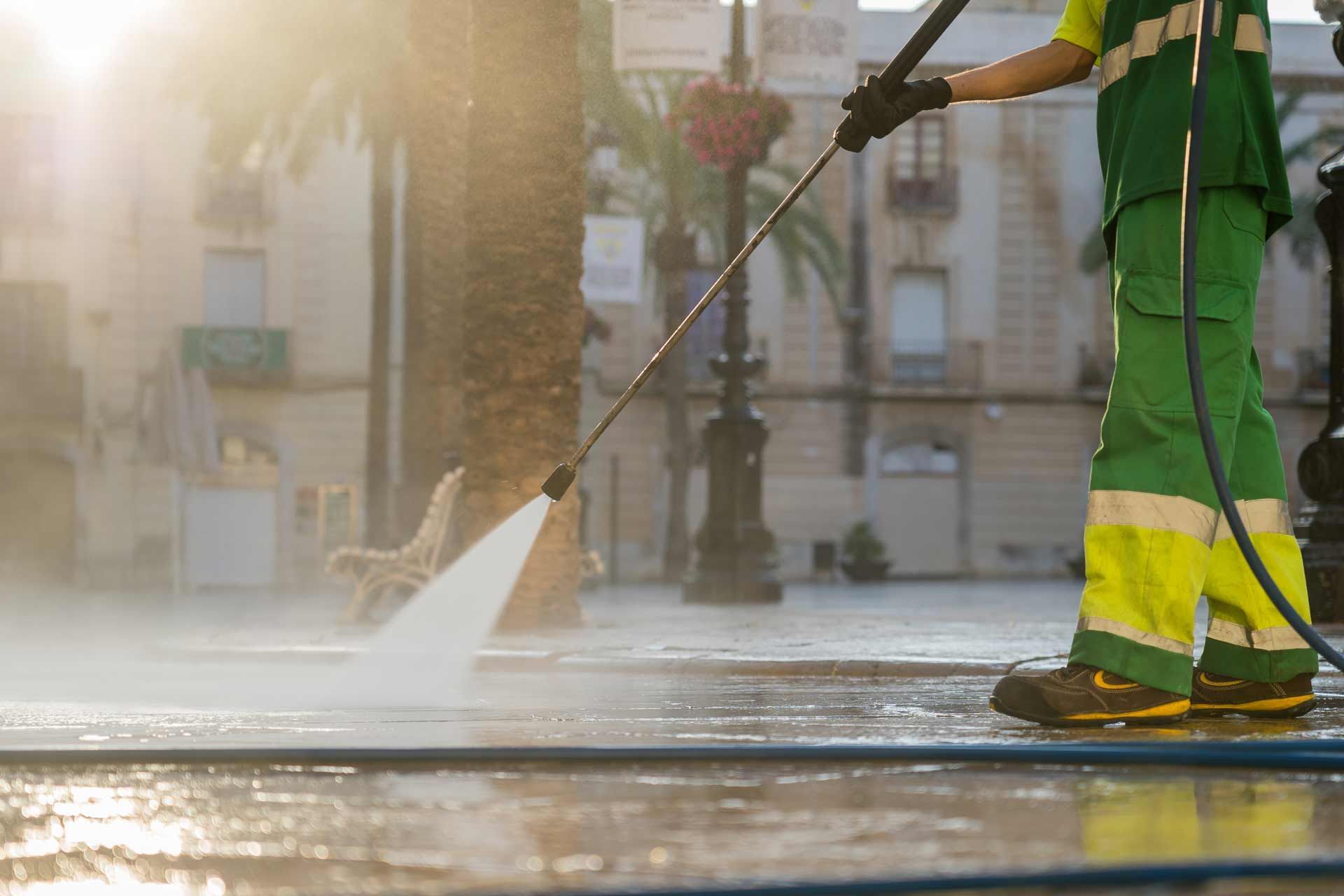
Most businesses should clean their parking lot at least once per week, with deeper pressure washing scheduled every one to three months depending on traffic and debris levels. A clean parking lot helps prevent slip hazards, protects concrete, reduces liability, and keeps your business looking professional. The exact schedule varies by use, climate, and debris, but every business benefits from a consistent plan. Below is a simple breakdown to help you choose the right cleaning routine. Recommended Cleaning Frequency for Most Businesses Weekly surface cleaning Most properties need basic debris removal once per week. This helps prevent buildup, staining, and safety issues. Monthly to quarterly pressure washing Professional surface cleaning every one to three months removes oil, grime, algae, and embedded dirt. High traffic locations may require monthly service while lower traffic areas can schedule quarterly. Seasonal deep cleaning Many businesses benefit from a thorough wash at the start and end of each major season. This protects concrete, improves appearance, and catches small issues early. Factors That Affect How Often You Need Cleaning Foot and vehicle traffic More cars and more people mean faster buildup. Shopping centers, medical offices, and restaurants usually require more frequent service. Nearby trees and landscaping Leaves, pollen, and sap can stain or create slippery spots. Properties with heavy tree cover often need shorter intervals between cleanings. Weather conditions In North Central Alabama, humidity and temperature changes can increase algae and grime. Regular cleaning helps prevent these issues before they cause damage. Type of Business If your business involves food service, chemicals, or deliveries, your lot may accumulate oil and debris more quickly. Routine cleaning keeps the surface safe and compliant. Services That Support a Complete Exterior Maintenance Plan Dynamic Pressure Washing & Roof Cleaning provides a full range of exterior cleaning services that complement routine parking lot care. These include: Roof cleaning House washing Commercial cleaning Concrete and patio cleaning Window cleaning Fence cleaning Deck cleaning Additional residential and commercial services Pairing parking lot cleaning with these services helps keep your entire property fresh, safe, and professional. Local Insight for North Central Alabama Businesses Businesses in Decatur, Huntsville, Madison, Athens, Cullman, Florence, Muscle Shoals, Trinity, and surrounding communities face a mix of humidity, pollen, and seasonal weather shifts. These conditions contribute to algae and grime buildup on concrete and asphalt. A regular cleaning schedule keeps surfaces safe for visitors and maintains your brand image across North Central Alabama. Simple Checklist for Parking Lot Maintenance Inspect the lot weekly Remove trash and loose debris Monitor for oil spots Schedule routine pressure washing Plan at least one seasonal deep clean Combine services for full property care Conclusion A consistent parking lot cleaning routine protects your investment and improves the impression customers have when they arrive. Most businesses do best with weekly debris removal and professional pressure washing every one to three months, adjusted based on traffic and conditions. Dynamic Pressure Washing & Roof Cleaning Get a customized parking lot cleaning plan for your business in North Central Alabama. Call today: (256) 822-9222 Here Are Some Other Frequently Asked Questions We Get About Parking Lot Cleaning: Q: How often should high traffic businesses clean their parking lots? A: High traffic properties often need monthly professional cleaning along with weekly surface maintenance. Q: Does regular cleaning help prevent concrete damage? A: Yes. Removing oil, grime, and algae helps prevent stains and long term surface deterioration. Q: Can parking lot cleaning reduce liability issues? A: Clean surfaces reduce slip hazards, which helps minimize customer and employee safety risks. Q: Is pressure washing safe for asphalt? A: Yes when performed by trained professionals who use proper pressure and cleaning techniques. Q: Should businesses schedule seasonal deep cleanings? A: Seasonal cleanings help remove buildup and prepare surfaces for weather changes.

Graffiti might look like street art to some, but for business owners, it can be a real problem. It hurts your property’s appearance, drives away customers, and can even make your business seem unsafe. If your building has been tagged, you’re probably wondering if pressure washing can really remove graffiti from walls. The short answer is yes: With the right equipment and expertise, it absolutely can. At Dynamic Pressure Washing & Roof Cleaning , we specialize in graffiti removal for commercial properties throughout Decatur, Huntsville, Madison, Athens, Cullman, Florence, Muscle Shoals, Trinity, and nearby Alabama communities. Our advanced cleaning techniques restore your building’s surface without causing damage. Why Pressure Washing Works for Graffiti Removal Graffiti paint bonds tightly to surfaces like brick, concrete, and metal, but pressure washing can safely break that bond. Using a combination of hot water, professional-grade detergents, and the correct water pressure, our team can remove even stubborn layers of spray paint. The key is experience. Too much pressure or the wrong cleaning solution can damage your walls. Our trained technicians know exactly how to adjust settings based on the material, whether it’s brick, stucco, vinyl, or painted siding. Protecting Your Business Image Graffiti sends the wrong message to customers. A clean exterior shows that your business takes pride in its property and values professionalism. Quick graffiti removal not only improves curb appeal but also discourages repeat tagging. We understand how important your image is. That’s why Dynamic Pressure Washing & Roof Cleaning offers fast response times and flexible scheduling to help your business look its best with minimal disruption. More Than Just Graffiti Removal While graffiti removal is one of our most in-demand commercial services, we also provide: Roof Cleaning to remove stains, algae, and debris. House and Building Washing for spotless siding and walls. Concrete and Patio Cleaning to eliminate oil stains and dirt buildup. Window, Fence, and Deck Cleaning for a polished finish all around your property. From parking lots to storefronts, our pressure washing services keep your business property safe, clean, and inviting. Ready to Restore Your Property’s Appearance? Call Dynamic Pressure Washing & Roof Cleaning today to schedule your graffiti removal service and get your walls looking brand new again. 📞 Call us today to request a free quote! (256) 822-9222 Here are some other questions we're often asked about removing graffiti and protecting property: Q: Can pressure washing remove all types of graffiti? A: Yes, pressure washing can remove most types of graffiti, including spray paint and permanent markers. The success depends on the surface material and how long the paint has been there, but professional cleaning usually achieves excellent results. Q: Will pressure washing damage my building’s surface? A: Not when it’s done by professionals. Our team uses the correct pressure, temperature, and cleaning solutions for each surface to ensure a clean finish without causing any harm. Q: How soon should I remove graffiti from my business? A: It’s best to act quickly. The longer graffiti sits, the harder it is to remove, and it can encourage more vandalism. Prompt cleaning protects your property and your reputation.
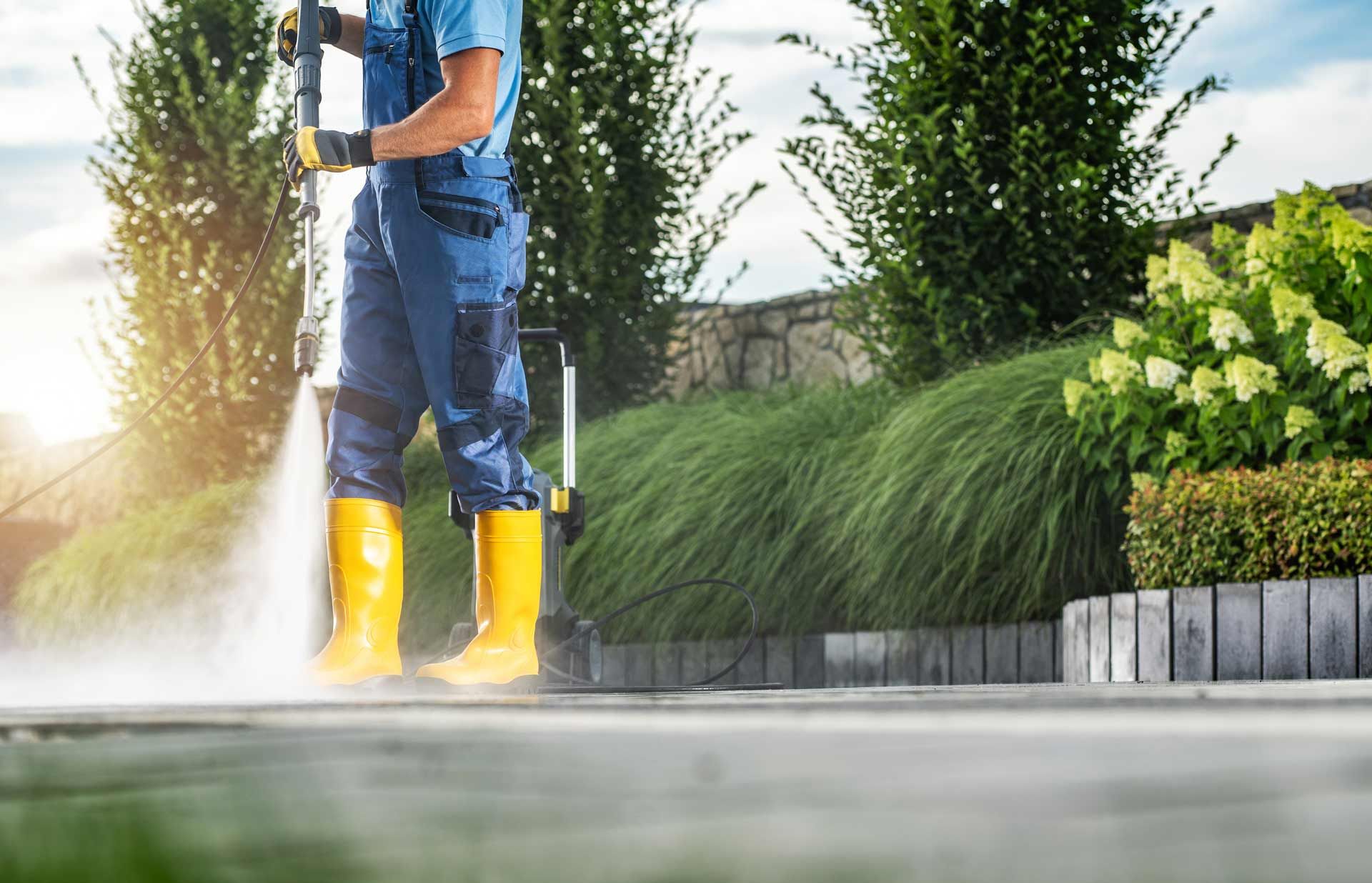
If you own or manage a business, you know that first impressions matter. Your parking lot is one of the first things customers see when they visit your property. A clean, well-maintained parking lot not only looks great but also keeps your property safe and welcoming. But how often should you have your parking lot cleaned? Let’s go over some simple guidelines that can help you decide. Why Parking Lot Cleaning Matters A clean parking lot isn’t just about looks. Over time, dirt, oil, and debris build up. This grime can damage asphalt and concrete surfaces, create safety hazards, and even drive away customers. Regular pressure washing removes these materials before they cause costly damage. It also helps your business stand out for all the right reasons. In cities like Decatur, Huntsville, Madison, Athens, Cullman, Florence, Muscle Shoals, and Trinity, parking lots can get dirty fast. Between rain, pollen, vehicle leaks, and everyday traffic, it doesn’t take long before grime starts to build up. That’s why setting a regular cleaning schedule is important. How Often Should You Schedule Cleaning? The best cleaning schedule depends on how much traffic your lot gets and what type of business you run. Here are some basic guidelines: 1. High-Traffic Commercial Properties (like restaurants or retail centers) These lots see constant vehicle and foot traffic, food spills, and oil leaks. Most businesses in this category benefit from monthly or bi-monthly cleanings to maintain curb appeal and safety. 2. Office Buildings and Professional Complexes These lots usually have moderate traffic. A quarterly cleaning (every three months) is often enough to keep things clean and prevent surface damage. 3. Industrial or Warehouse Properties Heavy machinery and trucks can leave behind dirt, oil, and tire marks. These properties should be cleaned at least every two to three months, depending on use and weather conditions. 4. Low-Traffic or Seasonal Businesses If your parking lot doesn’t see much use, twice a year might be enough. However, it’s always a good idea to schedule a deep clean before and after winter to remove salt, sand, and other buildup. The Benefits of Routine Pressure Washing When you stick to a regular cleaning schedule, you’ll notice big improvements in both the appearance and condition of your parking lot. Here are a few key benefits: Extends the life of your asphalt or concrete Prevents slip and fall accidents Removes stains and buildup before they cause damage Keeps your business looking professional and well-cared for If your parking lot is starting to look dirty or stained, it’s time to call in the professionals. Call the Local Experts At Dynamic Pressure Washing & Roof Cleaning , we specialize in helping North Central Alabama businesses look their best. We serve Decatur, Huntsville, Madison, Athens, Cullman, Florence, Muscle Shoals, Trinity, and all nearby areas. Give us a call today at (256) 822-9222 to schedule your parking lot cleaning or request a free quote. Here are some other questions you may have about cleaning your parking lot: Q: Will pressure washing damage my parking lot surface? A: No. When done by professionals, pressure washing is safe for both asphalt and concrete. Our team uses the right equipment and cleaning methods to remove dirt and stains without causing damage. Q: How long does it take to clean a parking lot? A: It depends on the size of your lot and the level of buildup. Most commercial lots can be cleaned in a few hours. We’ll work around your schedule to minimize disruption to your business. Q: Can regular pressure washing remove oil stains? A: Yes. Professional pressure washing can remove or greatly reduce oil stains, especially when done regularly. The sooner stains are treated, the better the results.
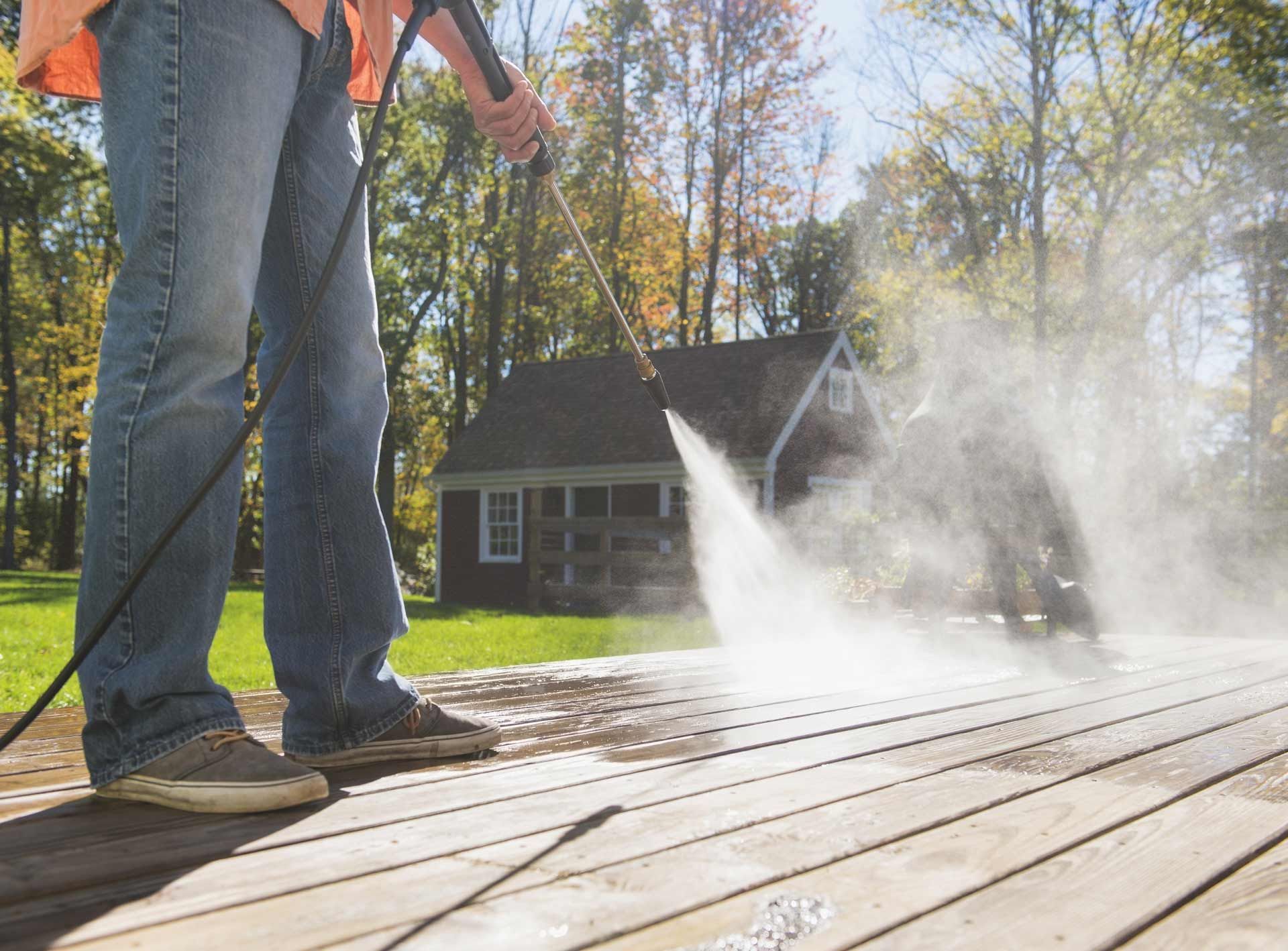
When scheduling a professional cleaning service for your home or business, one of the most common questions people ask is: “How long will it take?” The answer depends on the type of service, the size of the property, and the condition of the surfaces being cleaned. At Dynamic Pressure Washing & Roof Cleaning , we’ve completed thousands of projects, so we can give you a good idea of the average time frames you can expect for pressure washing, roof cleaning, and softwashing. Pressure Washing Time Frames Pressure washing is typically used for driveways, sidewalks, patios, decks, and exterior walls. The time needed depends on surface size, buildup of dirt or mold, and accessibility. Small Driveways or Sidewalks: 30 minutes – 1 hour Medium Driveways or Patios: 1 – 2 hours Large Surfaces or Whole-House Siding: 2 – 4 hours For commercial properties, pressure washing can take several hours to a full day, depending on square footage. Roof Cleaning Time Frames Roof cleaning requires a more careful process, especially to protect shingles and roofing materials. Our team often uses softwashing to prevent damage while effectively removing moss, algae, and stains. Small Roofs (1,000–1,500 sq. ft.): 1 – 2 hours Medium Roofs (1,500–2,500 sq. ft.): 2 – 4 hours Large Roofs (2,500+ sq. ft.): 4 – 6 hours or more The slope and complexity of your roof can also affect the total time. Softwashing Time Frames Softwashing is commonly used on delicate surfaces such as roofs, stucco, painted siding, or fences. Because it’s a lower-pressure process that relies on cleaning solutions, it usually takes a little longer than traditional pressure washing. Single-Family Home Exterior: 2 – 4 hours Multi-Story Homes or Larger Surfaces: 4 – 6 hours Commercial Properties: Full day or multiple days depending on scope Call the Experts Today Whether you need your driveway, roof, or entire property cleaned, Dynamic Pressure Washing & Roof Cleaning provides safe, reliable, and efficient results. We’ll give you a clear estimate of both cost and time before starting any project. 📞 Call us today to schedule your free estimate and let us restore the beauty of your home or business! Here are some additional questions that we are frequently asked: Q: What factors can make pressure washing take longer? A: Heavily stained surfaces, multiple levels, difficult-to-access areas, and extra-large properties can all increase service time. Q: Is softwashing faster than pressure washing? A: Not always. Softwashing often takes longer because it uses eco-friendly cleaning solutions and dwell time for the best results, but it’s safer for delicate surfaces. Q: Can roof cleaning and house washing be done in the same day? A: Yes! In many cases, both services can be completed on the same day, but it depends on the size of the home and roof as well as weather conditions.
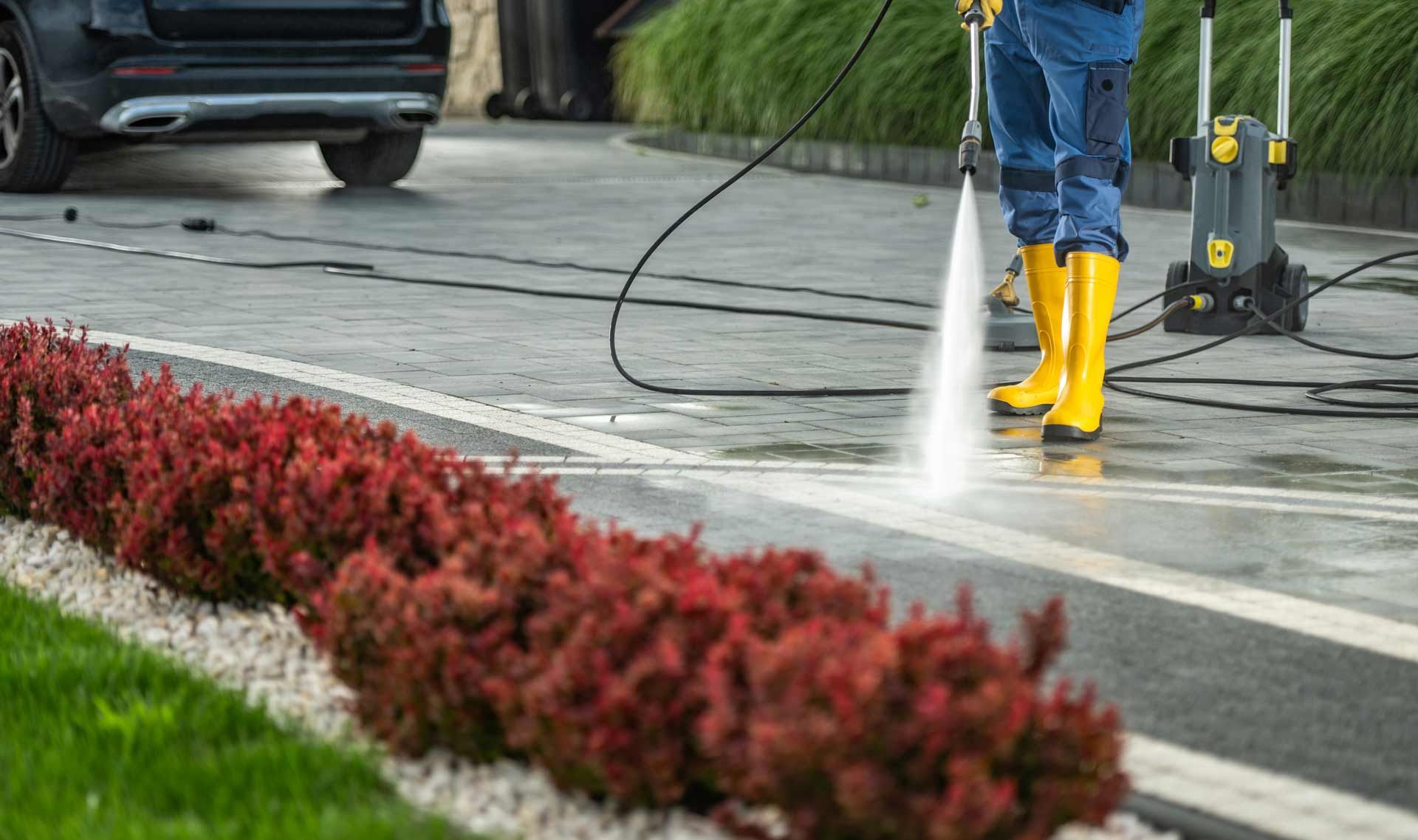
You’ve tried scrubbing, hosing down, maybe even renting a pressure washer, but that ugly stain on your driveway just won’t go away. Stains on concrete and asphalt can be frustrating, and many homeowners wonder if their driveway will ever look clean again. The truth is, not all stains are created equal. Some require specialized cleaning techniques and solutions that go beyond what DIY methods can handle. Let’s look at a few of the most common driveway stains and why they can be so tough to remove. The Most Common Driveway Stains (and Why They’re So Stubborn): 🛢️ Oil and Grease Oil penetrates porous concrete, soaking deep below the surface. Soap and water alone won’t cut it—professional-grade degreasers and hot water pressure washing are often required. 🌳 Algae, Mildew, and Mold Shady or damp driveways are a breeding ground for organic growth. A standard rinse won’t eliminate the spores, which means stains keep coming back unless treated with the right cleaning agents. 🔧 Rust Stains Rust from lawn equipment, sprinkler systems, or vehicles leaves orange-brown marks that bond with concrete at a chemical level. These require specialty cleaners—not just pressure—to break down the stain. 🚗 Tire Marks The heat and pressure from your car’s tires leave behind tough rubber residue. Without the right pressure and detergents, they’ll just smear around instead of coming clean. Why Professional Pressure Washing Works Better While DIY pressure washing may improve the look of your driveway, it often leaves behind deep-set stains. At Dynamic Pressure Washing & Roof Cleaning, we use: ✅ Professional-grade equipment with the right PSI and flow rate for concrete ✅ Hot water and eco-friendly cleaning solutions designed to lift stubborn stains ✅ Soft washing techniques where needed, to kill mold and algae at the root This combination delivers a deeper, longer-lasting clean that makes your driveway look refreshed and welcoming again. 🚿 Ready to Restore Your Driveway? Don’t waste time fighting stains that won’t budge. Trust the experts who know how to handle the toughest driveway cleaning challenges. 📞 Call Dynamic Pressure Washing & Roof Cleaning today at (256) 822-9222 to schedule your professional driveway cleaning service. FAQs About Driveway Stains & Pressure Washing ❓ Q: Will pressure washing remove all stains from my driveway? A: Not always. Some stains, like deep oil or rust, may need special treatments in addition to pressure washing. A professional service combines both for the best results. ❓ Q: How often should I have my driveway pressure washed? A: Most homeowners benefit from a cleaning every 1–2 years, but high-traffic areas or shaded, damp driveways may need annual service. ❓ Q: Can pressure washing damage my driveway? A: Yes, if done incorrectly. Too much pressure can etch concrete or strip away sealant. That’s why hiring professionals who use the right pressure settings and techniques is important.
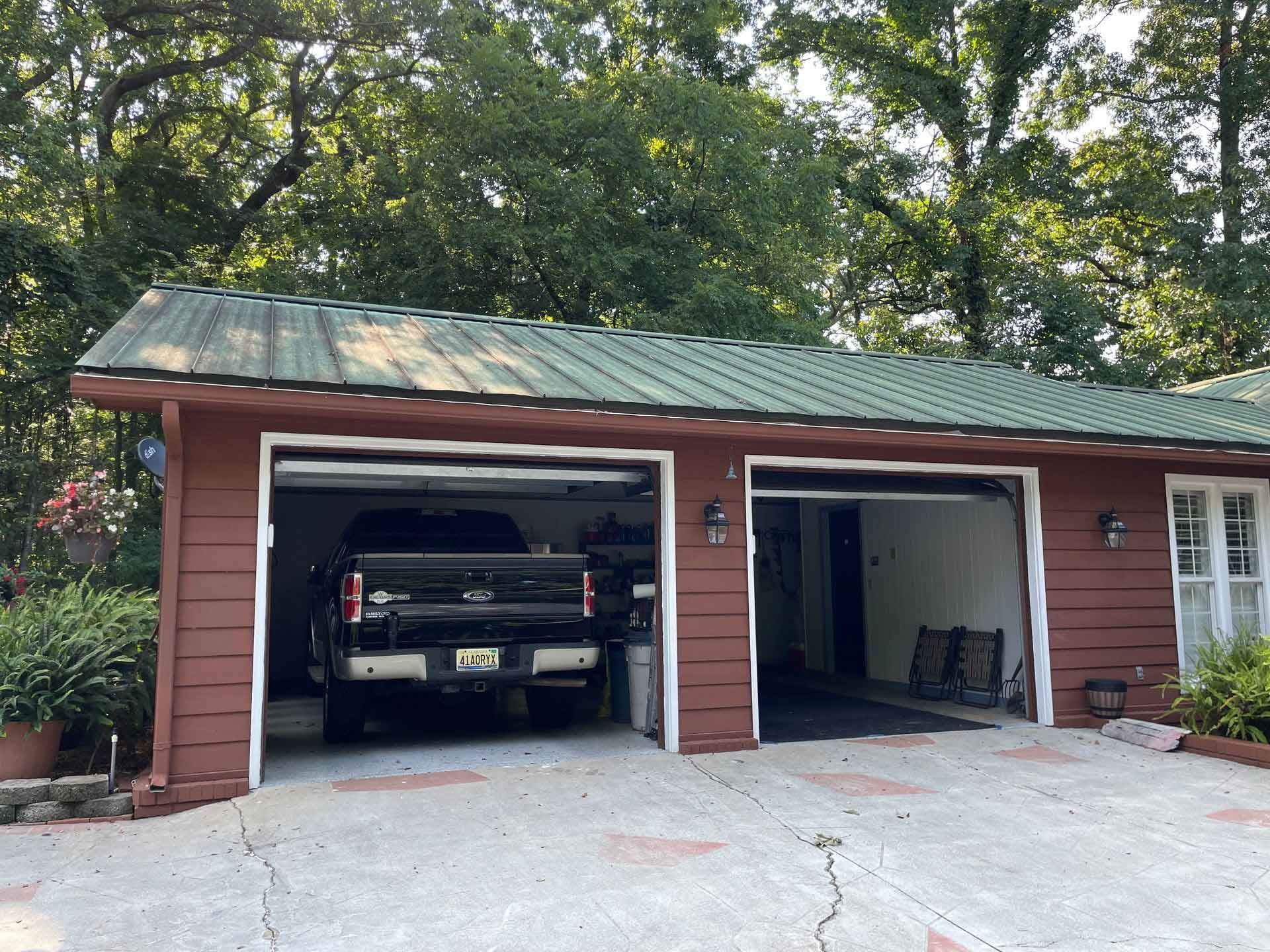
Have you noticed ugly black streaks running down your roof? Many homeowners assume it’s just dirt or soot, but the truth is far different, and potentially more harmful. That “black stuff” is usually a form of algae called Gloeocapsa magma . And while it may not seem like a big deal at first, ignoring it can cause long-term problems for your roof, your home, and even your wallet. What Is the Black Stuff on My Roof? Those dark streaks are actually colonies of algae that thrive in warm, humid environments. Over time, the algae spread across shingles, leaving streaks that not only look bad but also shorten the lifespan of your roof. Is Roof Algae Dangerous? While roof algae won’t harm your health directly, it is dangerous to your home: ☑️ Shingle Damage – The algae feed on the limestone filler in asphalt shingles, weakening them over time. ☑️ Moisture Retention – Algae hold moisture against the roof’s surface, creating the perfect environment for moss and lichen growth. ☑️ Reduced Energy Efficiency – Dark streaks absorb more heat, raising attic temperatures and increasing cooling costs. ☑️ Lower Curb Appeal – A stained roof makes your home look older and poorly maintained, which can hurt resale value. How Do You Get Rid of Roof Algae Safely? DIY methods like bleach or high-pressure washing may seem like a solution, but they often do more harm than good. High pressure can strip shingles, while harsh chemicals can damage landscaping. At Dynamic Pressure Washing & Roof Cleaning , we use a proven soft washing technique—a low-pressure system combined with eco-friendly cleaning solutions—that kills algae at the root and restores your roof to like-new condition. 🏡 Don’t Let Black Streaks Ruin Your Roof That black stuff isn’t just an eyesore—it’s slowly damaging one of your home’s biggest investments. Protect your roof and restore your home’s beauty with professional cleaning. 📞 Call Dynamic Pressure Washing & Roof Cleaning today at (256) 822-9222 to schedule your expert roof cleaning service. Here are some other questions that we are most often asked: Can I Prevent Roof Algae from Coming Back? Yes! Here are a few tips to slow down regrowth: - Trim back overhanging trees to reduce shade and moisture. - Keep gutters clean to prevent water buildup. - Schedule regular roof cleanings every 1–3 years depending on your climate and tree coverage. Will Roof Algae Come Back After Cleaning? Yes, roof algae can return over time because its spores are airborne and carried by wind, rain, and even birds. However, professional cleaning using a soft wash method not only removes the existing algae but also applies specialized cleaning solutions that slow down regrowth. Most homeowners can expect their roof to stay clean for 2–3 years, depending on climate, tree coverage, and moisture levels. 👉 Regular maintenance cleanings and preventative measures (like trimming overhanging branches and keeping gutters clear) can greatly reduce how quickly algae reappears.
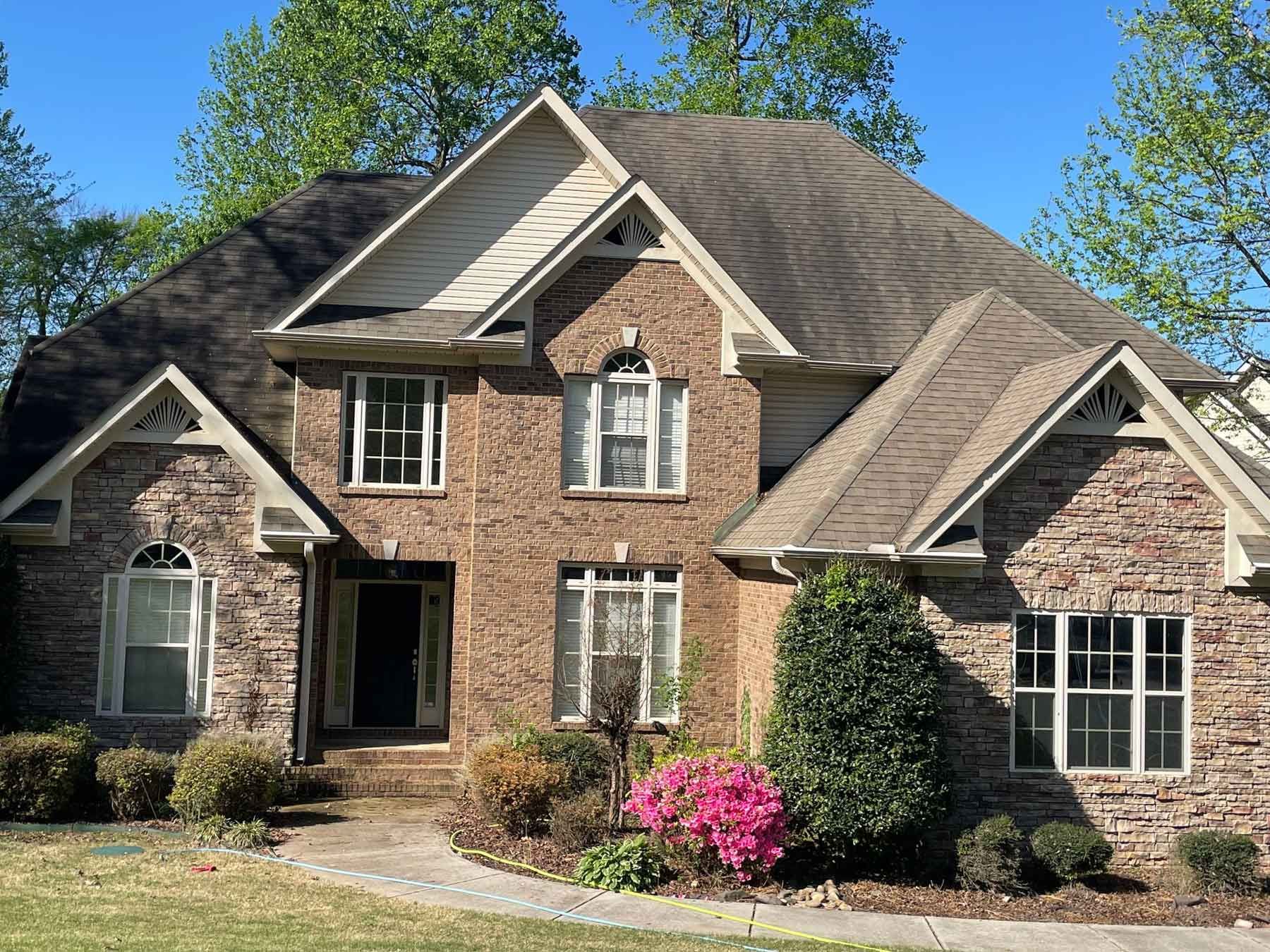
When you’re preparing to sell your home, you want it to make the best first impression possible. Buyers often decide within seconds whether a property feels like “the one,” and much of that decision comes down to curb appeal. That’s where professional pressure washing comes in . Real estate professionals agree— it’s one of the fastest, most affordable ways to make your home look newer, cleaner, and more inviting . Why Curb Appeal Matters More Than You Think According to the National Association of Realtors, curb appeal can add 7%–14% to a home’s value. A sparkling clean driveway, siding, and entryway can make potential buyers feel confident that the property has been well cared for—before they even step inside. What Pressure Washing Can Do for Your Home Sale Instantly Refresh Your Exterior Over time, dirt, algae, mildew, and grime build up on siding, brick, concrete, and wood. Pressure washing strips away years of buildup in a matter of hours. Brighten Walkways and Driveways Stained or dingy concrete can make a property feel old. A thorough cleaning restores brightness and creates a “like new” look. Highlight Architectural Details Freshly cleaned brick, stone, or trim stands out, showing buyers the beauty of your home’s design. Make Listing Photos Pop Clean exteriors photograph better, making your online listing more eye-catching and increasing showing requests. Signal a Well-Maintained Property A clean exterior says, “This home has been cared for”—a major selling point for buyers. Key Areas to Pressure Wash Before Listing Siding or brick Roof (using soft washing for safety) Driveway and walkways Decks, patios, and fences Front entry and porch Why You Should Hire a Professional While renting a pressure washer might sound tempting, improper use can damage siding, strip paint, or leave streaks. At Dynamic Pressure Washing & Roof Cleaning, we use professional-grade equipment and safe cleaning techniques to deliver spotless results without risking damage. 🏡 Ready to Make Your Home Market-Ready? Before you list, give your home the “wow factor” buyers can’t ignore. Pressure washing is a small investment that can pay off big at closing. 📞 Call Dynamic Pressure Washing & Roof Cleaning at (256) 822-9222 to schedule your pre-sale exterior cleaning today.
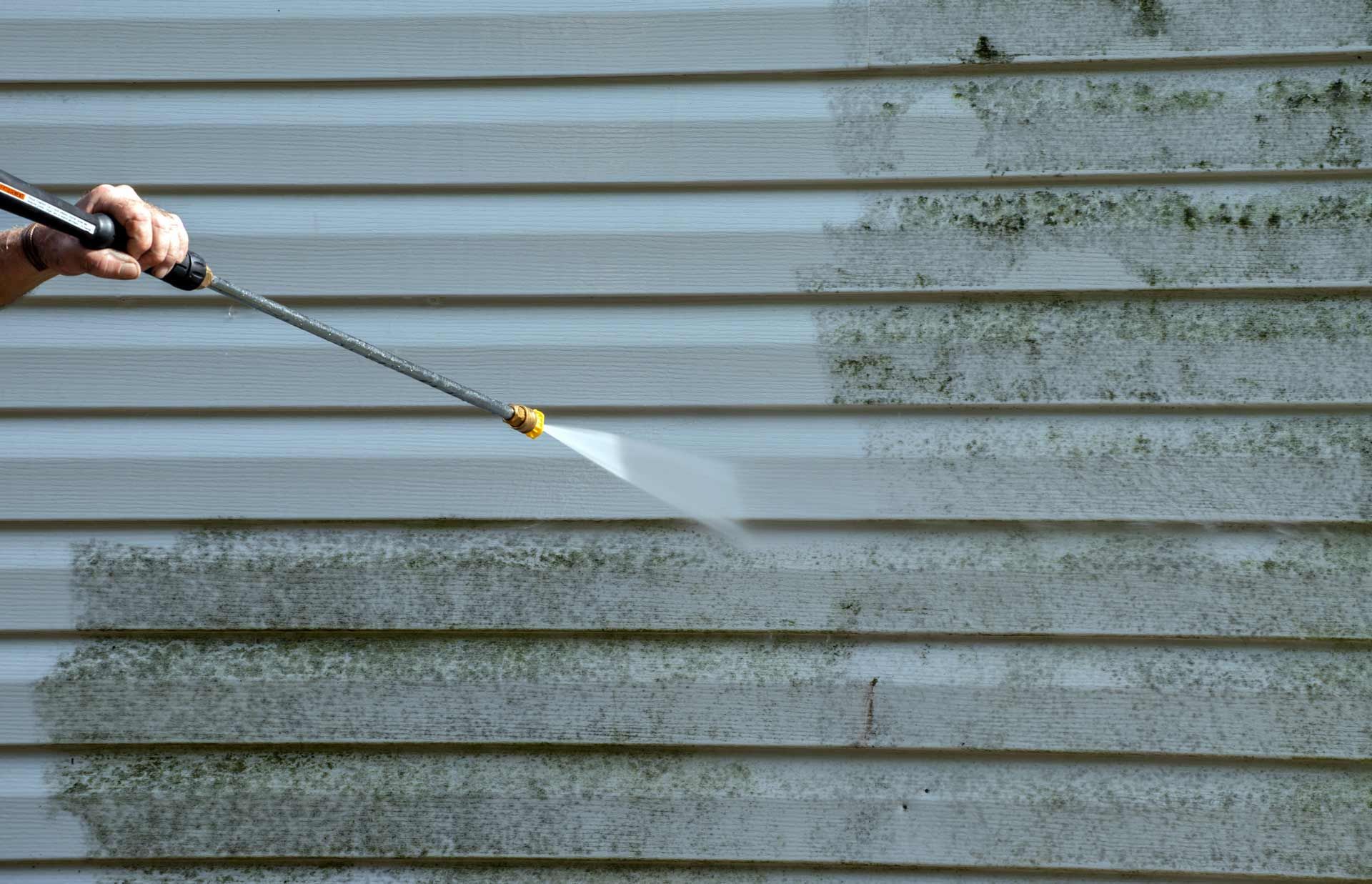
If you or your family suffer from seasonal allergies, you’ve probably tried everything—air purifiers, allergy meds, keeping windows closed. But did you know that your home's exterior surfaces might be contributing to your allergy symptoms? It’s true—and pressure washing could be the secret weapon you didn’t know you needed. Where Do Outdoor Allergens Come From? Allergens don’t just float through the air. They settle on every surface of your home, including: Siding Driveways and walkways Decks and patios Fences Gutters and roofing Common culprits include: Pollen (especially in spring and fall) Mold spores Algae and mildew Dust and dirt buildup Once these allergens collect on surfaces, they get tracked into your home on shoes, pets, or through open windows and doors. How Pressure Washing Helps Reduce Allergens Professional pressure washing removes layers of pollen, mold, and mildew from the surfaces around your home. Here’s how that helps: ✅ Reduces airborne allergens that cling to siding and concrete ✅ Cleans away mold spores, which thrive in damp areas and trigger respiratory issues ✅ Eliminates algae and mildew that can make surfaces slippery and aggravate allergies ✅ Creates a healthier outdoor space for your family and pets Which Areas Should Be Pressure Washed to Fight Allergies? At Dynamic Pressure Washing & Roof Cleaning , we recommend focusing on: Driveways & walkways – Pollen settles here first Siding & soffits – Mold and algae love shaded spots Decks & patios – Where outdoor living meets allergen buildup Gutters & roofs – Often overlooked, but a top source of mold and mildew Why Choose a Professional Service? Trying to wash away allergens yourself with a hose or store-bought pressure washer may not remove spores effectively—and can even damage delicate surfaces if done improperly. We use specialized soft washing techniques when needed to clean thoroughly without harming your property, all while using eco-friendly detergents that break down allergens at the root. 🌿 Breathe Easier with a Cleaner Home If you or someone in your household struggles with allergies, pressure washing could be a game-changer for your health and comfort. 📞 Call Dynamic Pressure Washing & Roof Cleaning today at (256) 822-9222 to schedule your allergy-fighting exterior cleaning!
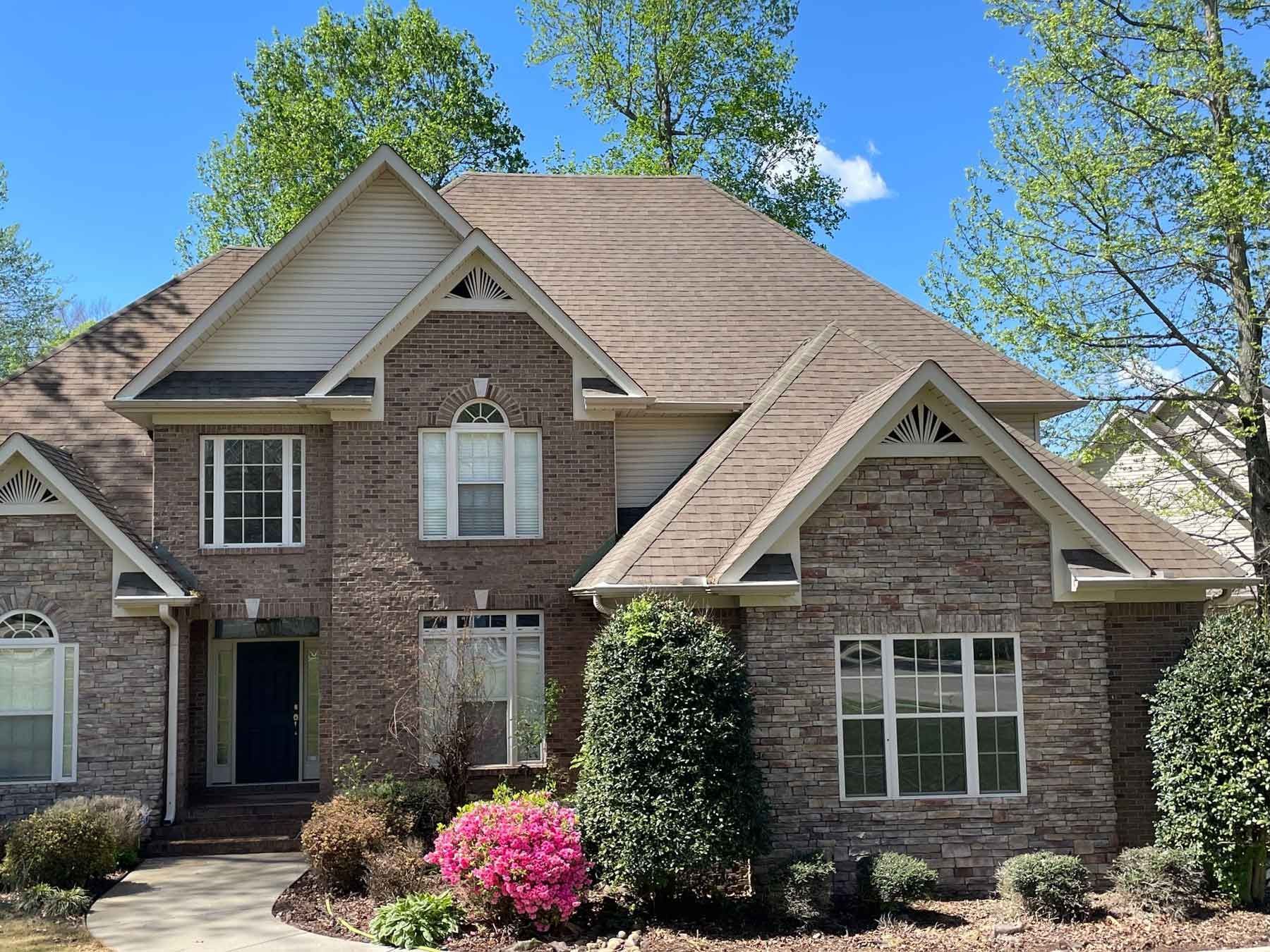
Your roof does more than keep you dry—it protects your entire home from the elements. But like any part of your house exposed to sun, rain, and organic debris, it needs maintenance. One of the most common questions we hear at Dynamic Pressure Washing & Roof Cleaning is: "How often should I have my roof cleaned?" Let’s break it down... Why Roof Cleaning Matters Over time, roofs collect: Algae (especially Gloeocapsa magma, which causes those black streaks) Moss and lichen, which retain moisture and damage shingles Leaves, twigs, and debris, which clog gutters and promote rot Ignoring these contaminants can shorten the life of your roof, lead to expensive repairs, and even void your roofing warranty. General Roof Cleaning Recommendations Most experts—and roofing manufacturers—recommend professional roof cleaning every 1 to 3 years, depending on a few factors: 🏠 Roof Material Asphalt Shingles: Every 2–3 years Metal Roofs: Every 3–5 years, but check for algae or rust Tile Roofs: Every 2–3 years, or sooner if moss buildup is visible 🌳 Location & Climate Humid or Shady Areas: Clean annually due to higher moss and algae growth Dry or Sunny Regions: Every 2–4 years may be sufficient 🍃 Tree Coverage Homes surrounded by trees may need roof cleaning annually, as falling leaves and branches increase the risk of organic buildup and roof damage. Signs Your Roof Needs Cleaning Now You may not always need to wait for the calendar. Schedule a cleaning if you notice: Black streaks or dark patches Green moss or lichen growth Debris buildup in valleys or near chimneys Overflowing gutters or pooling water on the roof Why Professional Cleaning Is Worth It DIY roof cleaning may seem tempting—but it often leads to: Shingle damage Voided warranties Ineffective results Our expert technicians at Dynamic Pressure Washing & Roof Cleaning use low-pressure soft washing that’s safe for all roofing types and highly effective at removing organic buildup. 🧼 Keep Your Roof in Top Shape—Call Today! Your roof is one of your home’s biggest investments. Protect it the smart way—with scheduled cleanings from trusted professionals. 📞 Call Dynamic Pressure Washing & Roof Cleaning at (256) 822-9222 to schedule your roof cleaning or request a free estimate today.